


Impact & Results
A History of Cascades to Rockies
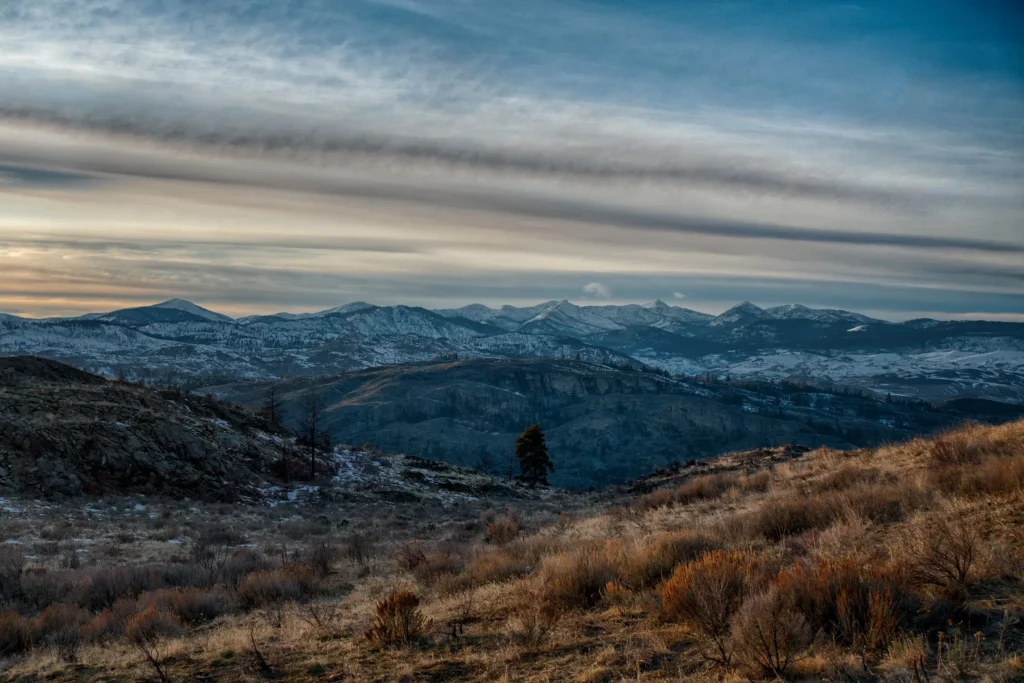
The Cascades to Rockies is a key wildlife corridor connecting the Cascade and Rocky Mountains, where conservation focuses on maintaining habitat connectivity and reducing fragmentation.
A globally significant wildlife corridor
Critical habitat for wide ranging and sensitive species
Landscape connectivity is increasingly threatened
A globally significant wildlife corridor
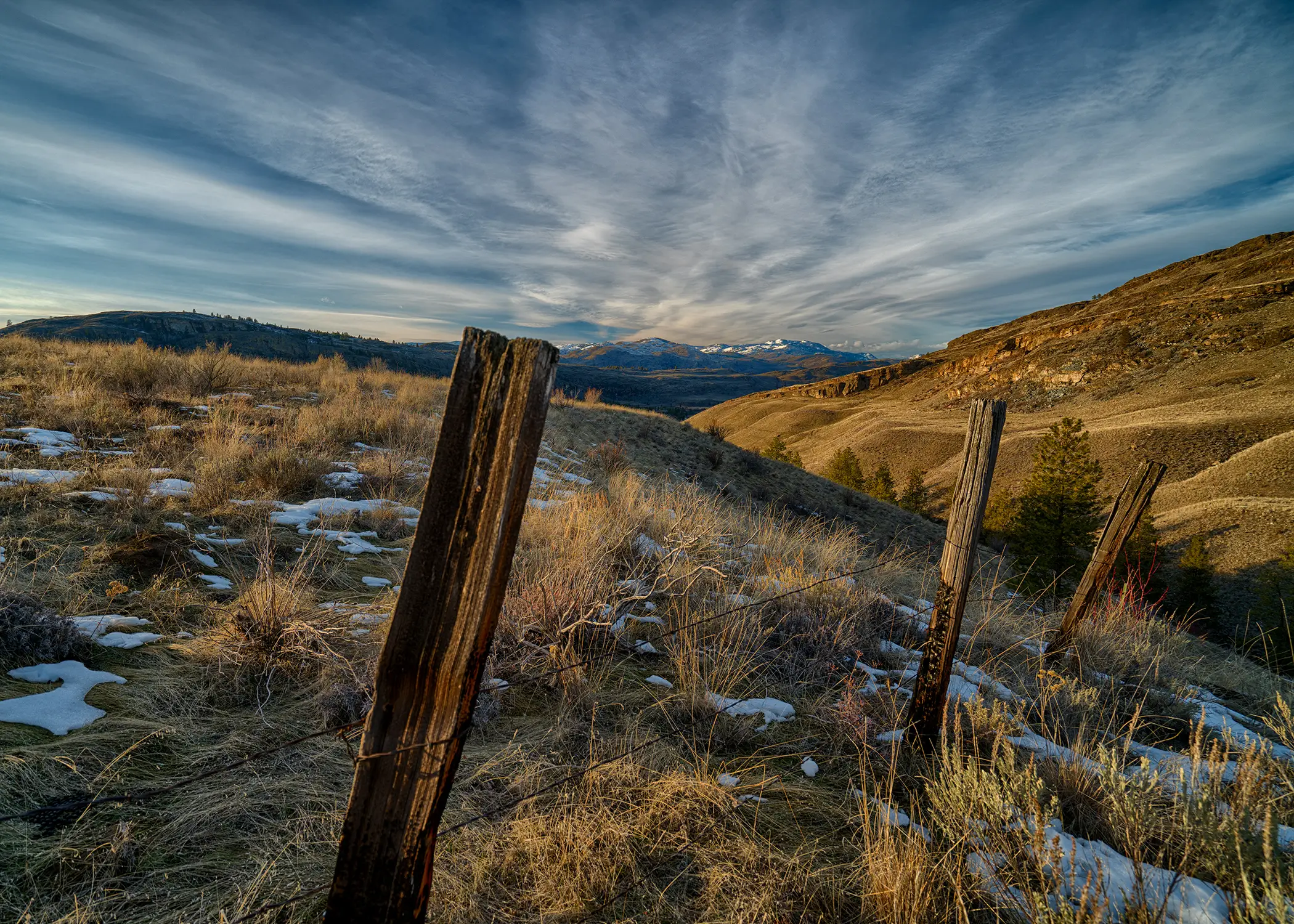
The Cascades to Rockies region spans the mountainous landscapes of northeast Washington and southern British Columbia, crossing the shrubsteppe plateaus, and linking the Cascade Mountains with the Rocky Mountains. This transboundary landscape forms one of North America’s most important wildlife connectivity corridors, enabling wide ranging species to move between major mountain ecosystems.
Critical habitat for wide ranging and sensitive speciesWashington’s 20 Year Forest Health Strategic Plan
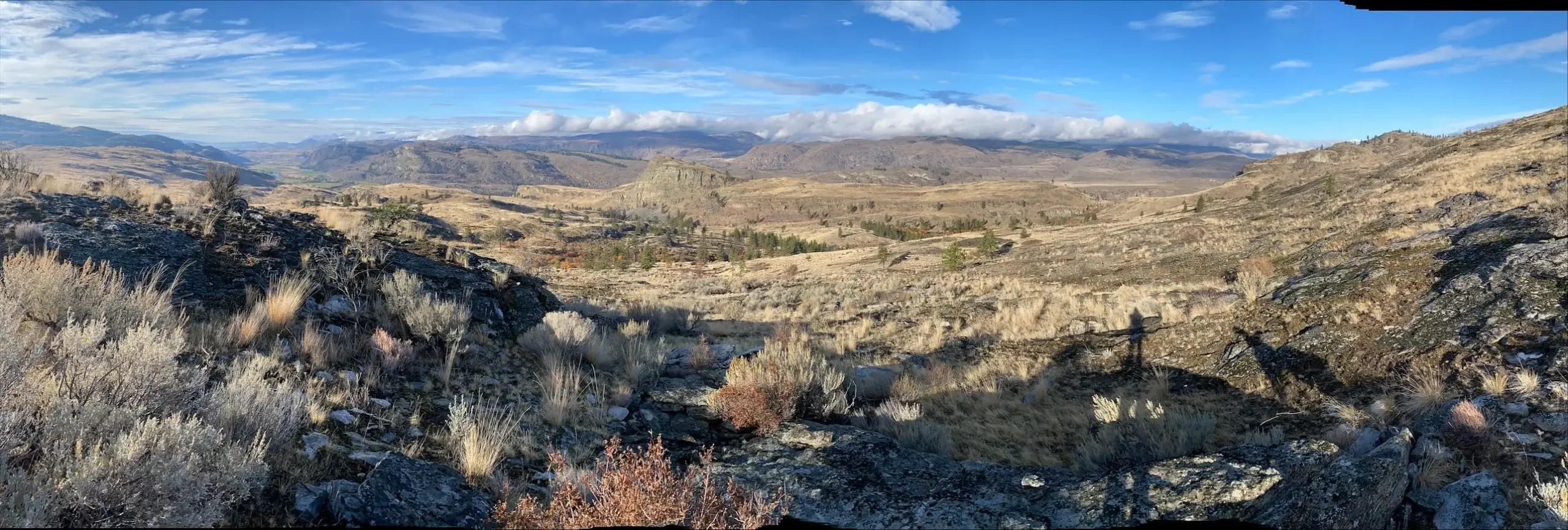
The region supports species such as gray wolf, Canada lynx, wolverine, grizzly bear, and moose that depend on large, connected landscapes. Maintaining habitat connectivity across this international corridor is essential for sustaining healthy wildlife populations and long term ecological resilience.
Landscape connectivity is increasingly threatened
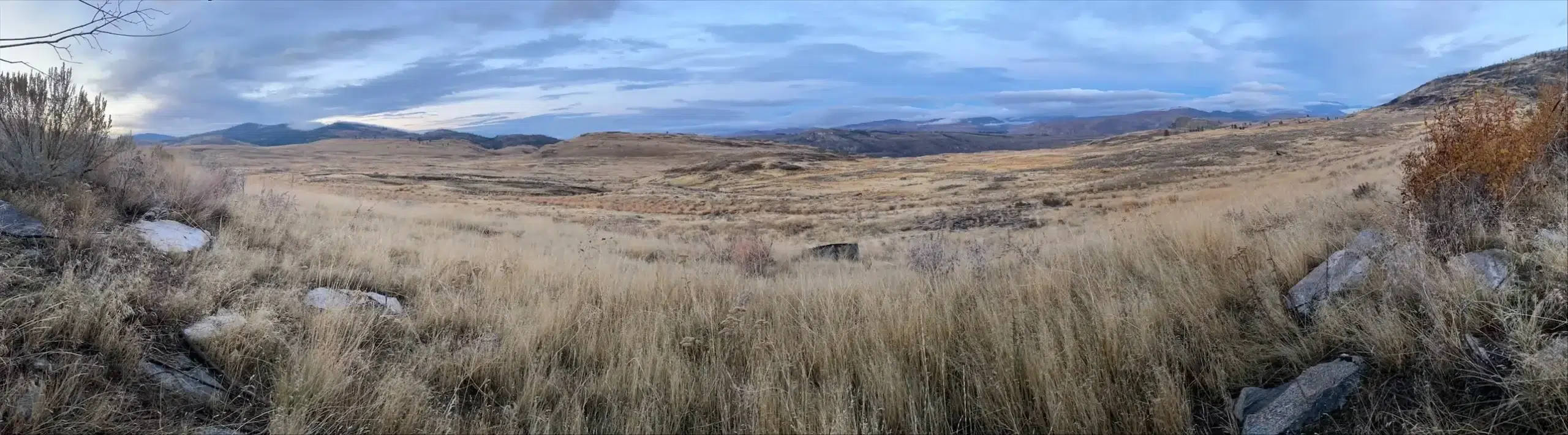
Expanding development, road networks, and shifting forest conditions are fragmenting habitat and limiting wildlife movement across the region. Conservation efforts focus on protecting key corridors, restoring habitat, and working with communities and land managers to ensure wildlife can continue moving between ecosystems as climate and land use pressures grow.
Tribal Land Return
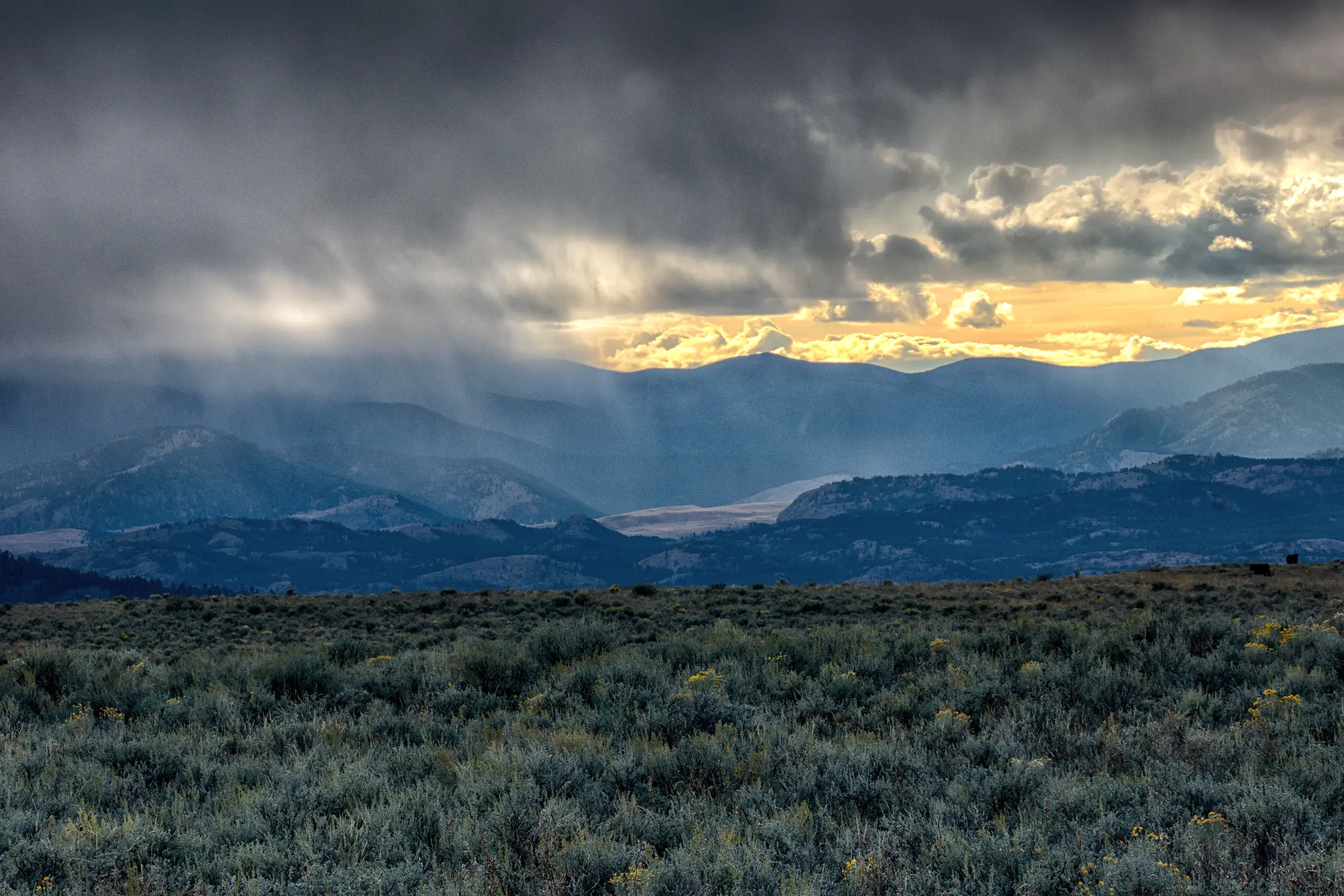
Protected the critical Figlenski Ranch and returned it to Tribal ownership
Conservation Northwest raised more than $4.6 million to purchase and conserve 9,243 acres of the historic Figlenski Ranch in Washington’s Tunk Valley, ultimately transferring the land to the Confederated Tribes of the Colville Reservation. This property is considered the linchpin of the Cascades to Rockies wildlife corridor, connecting habitat for species such as lynx, wolverine, and mule deer while restoring land to its original Tribal stewards.
Okanogan Connectivity
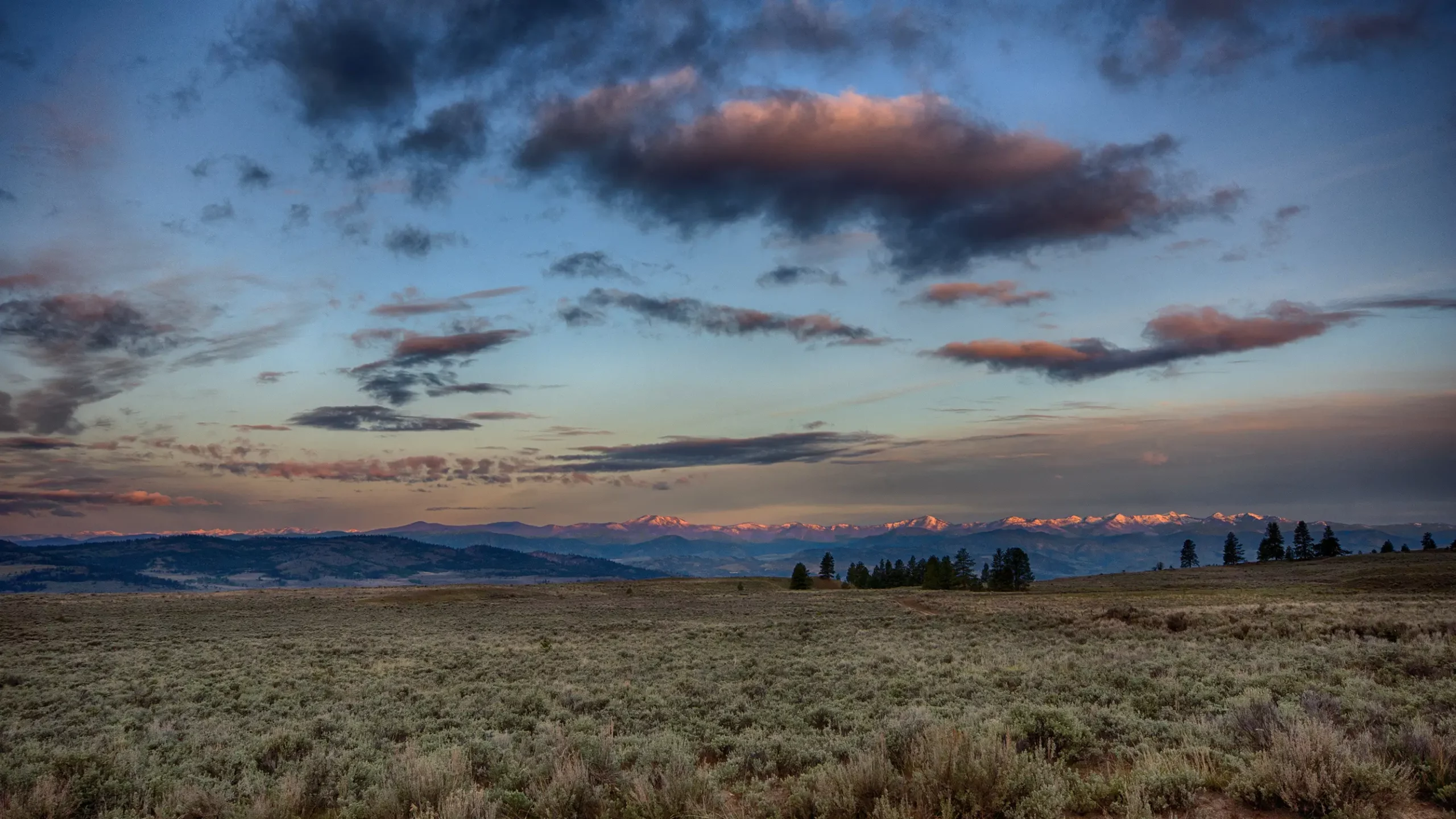
Advanced wildlife connectivity across the Okanogan Valley landscape
Through Cascades to Rockies initiatives—including land protection efforts around areas such as Palmer Lake and wildlife crossing work along U.S. Route 97—Conservation Northwest has helped secure key private lands and improve safe wildlife movement across the Okanogan Valley, strengthening ecological linkages between the Cascade Mountains, the Kettle River Range, and the broader Rocky Mountain system.
Working for Wildlife Initiative
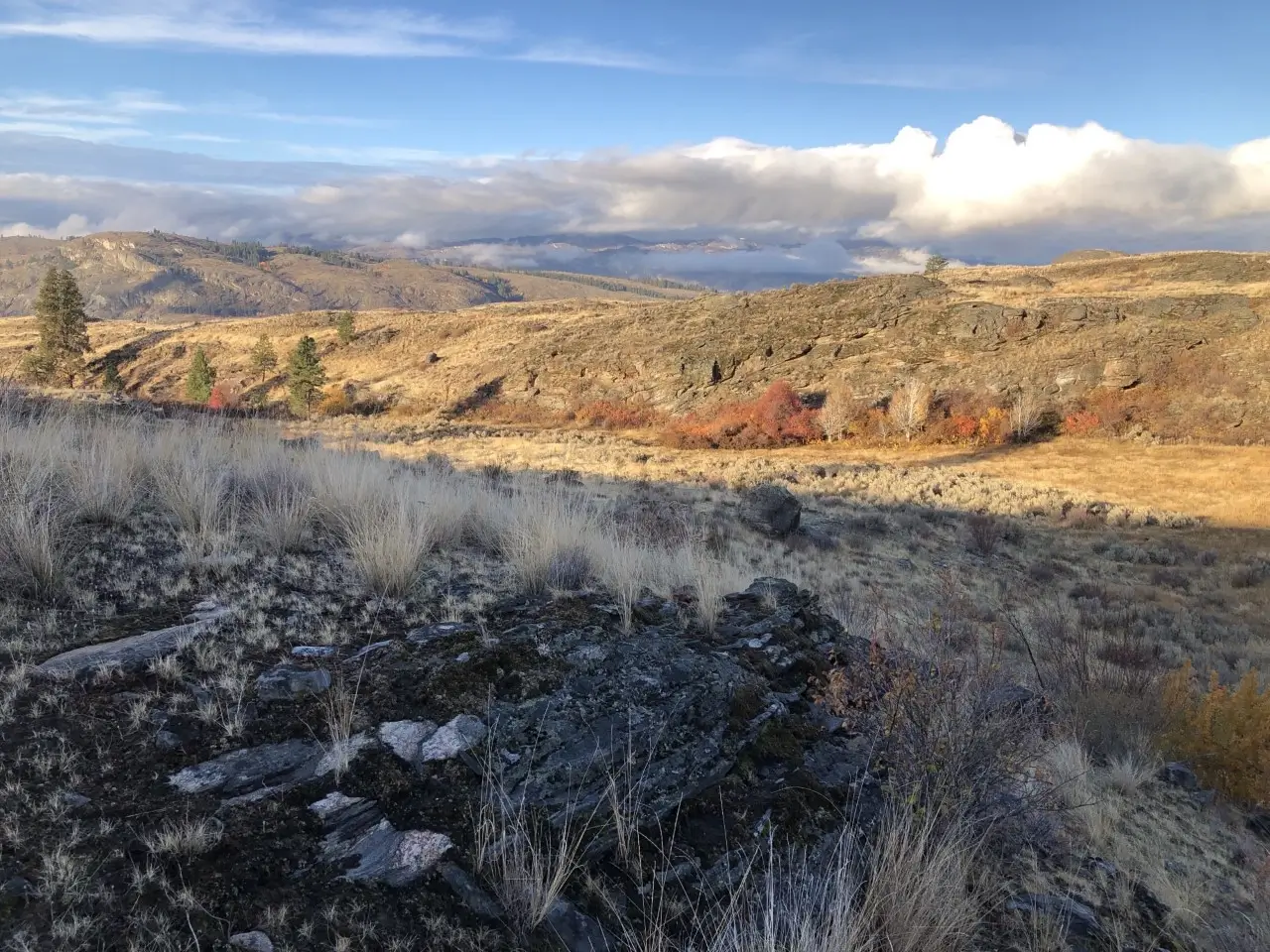
Strengthened regional collaboration through the Working for Wildlife Initiative
Conservation Northwest helped launch and continues to lead the Working for Wildlife Initiative, a cross border partnership uniting Tribes, agencies, conservation groups, and local communities to protect and restore habitat across the Cascades to Rockies corridor. This collaborative framework has accelerated land protection, improved connectivity planning, and aligned conservation priorities across Washington and British Columbia.


