North Cascades Grizzly

We work to advance science-based recovery, community engagement, and coexistence strategies that support the return of this iconic species.

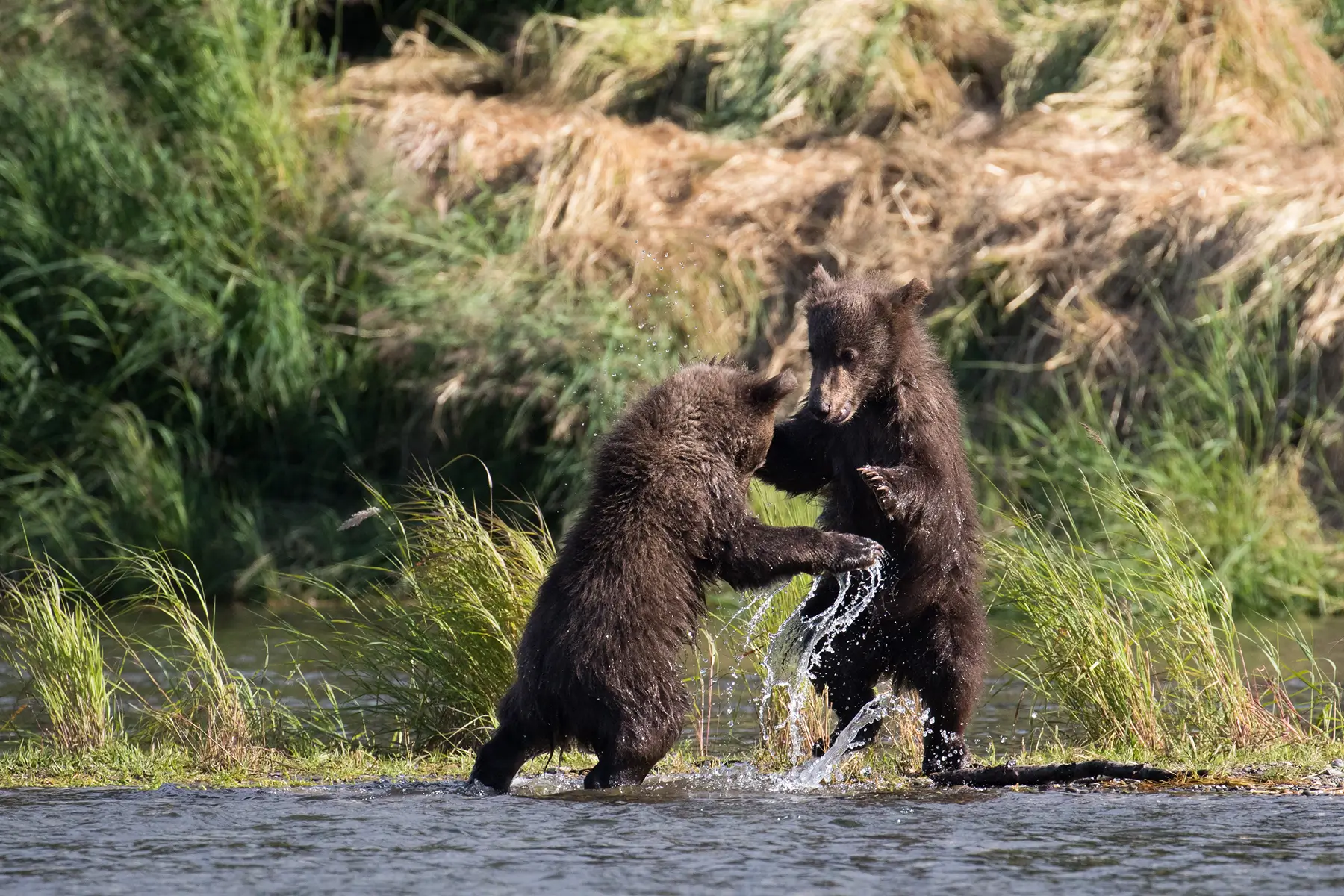
04 credit Kenneth Kearney Photograghy 1
Our Approach

Washington’s North Cascades remain one of North America’s largest intact ecosystems capable of supporting grizzly bears, yet the keystone species has been absent from this landscape for decades.

Extirpated from much of its native range, Washington’s grizzly population is limited to the far northeast corner in the Selkirks. North Cascade recovery depends on federal policy, public understanding, and the steady leadership needed to move strategic reintroduction forward with confidence. Our role is to help foster trust and political will by providing education, engaging constructively with diverse stakeholders, and partnering with agencies to ensure recovery efforts are grounded in science, safety, and long term stewardship. By strengthening the social and policy foundations for reintroduction, we can return this iconic species to a landscape capable of sustaining it.

Current Focus

Work We’re Doing to Achieve North Cascades Grizzly Goals

Capa 1 1

Community Outreach

We support North Cascades grizzly bear recovery through a community centered approach that emphasizes outreach, coexistence, and durable public support.

Recognizing the sensitivity of the issue, we invest in locally grounded engagement that shares practical information about living and recreating in bear country, addresses community concerns, and highlights the ecological role of grizzlies.

Our workshops, presentations, and partner collaborations prioritize listening as much as education, helping build trust and reduce conflict over time. This work is designed to create the social conditions necessary for grizzly bears to return and persist in the North Cascades.

icon 8

Coexistence Planning

We also advance coexistence tools and technical support that help communities prepare for the presence of grizzlies.

This includes promoting bear aware practices, supporting attractant management strategies, and identifying resources that assist landowners and rural residents. In parallel, we convene and support a broad coalition of agencies, Tribes, and stakeholders engaged in recovery planning, ensuring that community voices remain central to the process.

While we support science based restoration of the population, our role is intentionally focused on fostering informed dialogue and ensuring that any recovery actions are paired with strong local engagement and long term coexistence strategies.

Impact & Results

A History of of North Cascades Grizzly Work

The effort to restore grizzly bears to the North Cascades is built on decades of research, conservation planning, and public engagement. Together with agency partners and local communities, we are helping advance a science-based approach to recovering this iconic species in one of its historic strongholds.
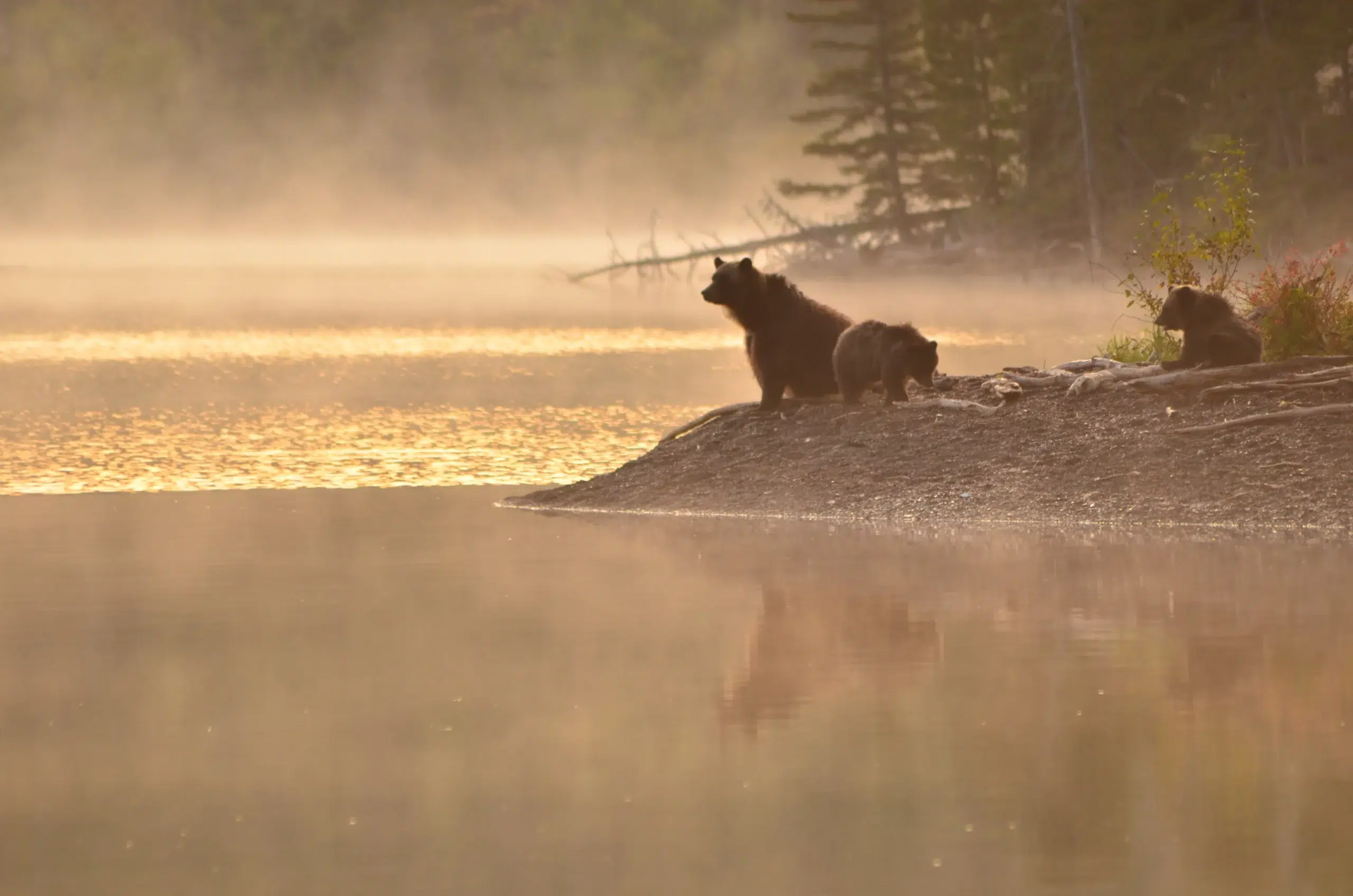
Grizzly bears were historically native to the North Cascades but are now functionally absent.
Federal recovery efforts aim to restore a viable population.
North Cascades grizzly restoration decision (2024)
JSW 3344 scaled

Grizzly bears were historically native to the North Cascades but are now functionally absent.

The Grizzly bear once occupied much of the North Cascades ecosystem, but decades of persecution and habitat pressures led to their disappearance from most of the region by the late 20th century. Today, the ecosystem contains some of the largest remaining intact habitat in the lower 48 states capable of supporting a recovered population.
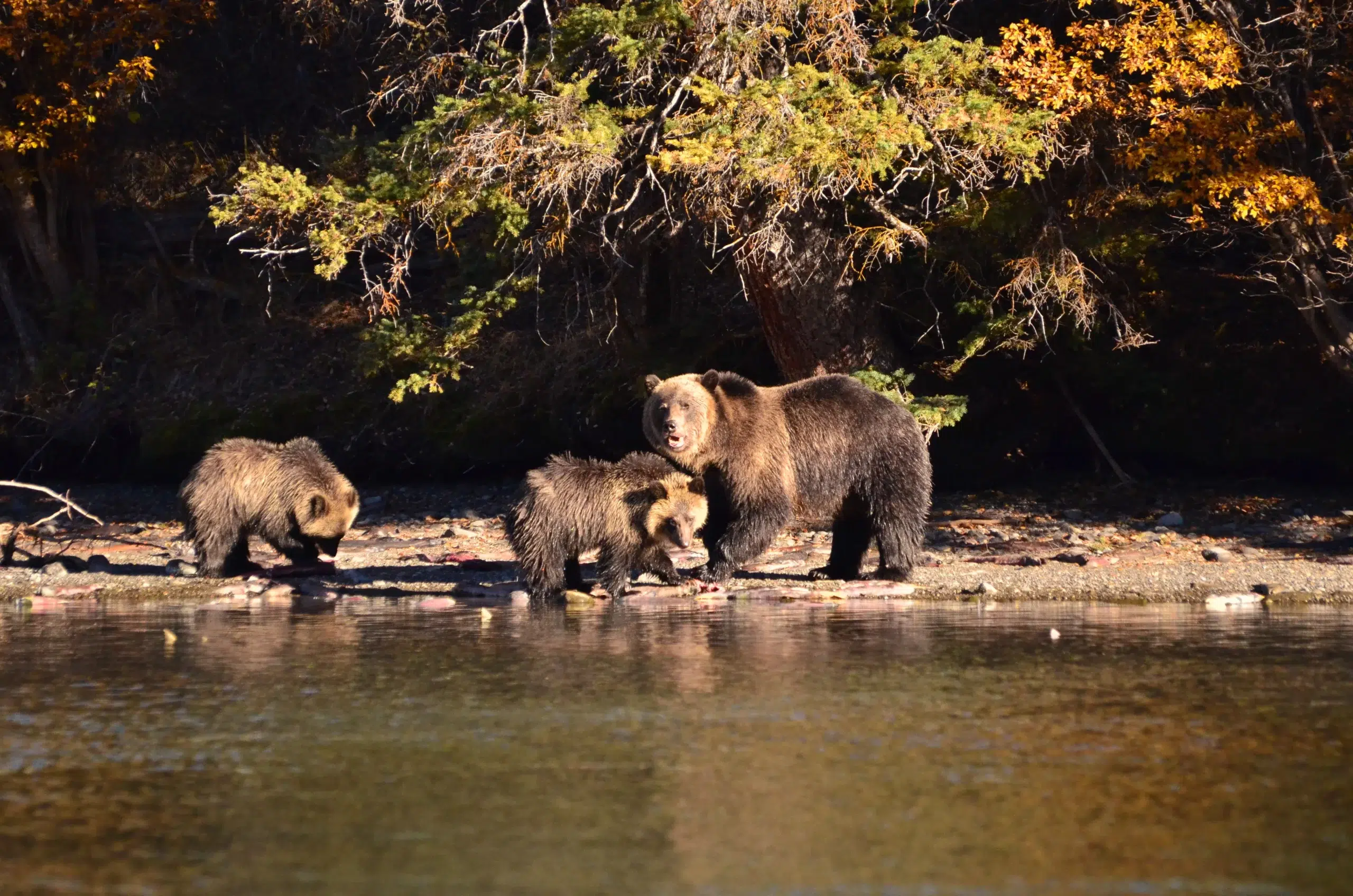
Grizzly and cubs on shore of Chilko Lake British Columbia. Photo Jeremy Williams scaled

Federal recovery efforts aim to restore a viable population.

The U.S. Fish and Wildlife Service and National Park Service evaluated strategies recover grizzlies in the Cascades, recognizing the region’s ecological capacity to support bears and the importance of restoring a missing apex species.
credit Kenneth Kearney Photograghy 1

North Cascades grizzly restoration decision (2024)

In April 2024, the National Park Service and U.S. Fish and Wildlife Service announced they would move forward with restoring grizzly bears to the North Cascades. With translocations expected in the future, communities across the region now need clear, practical preparation for living safely in grizzly country.
Impact & Results

Our Key Accomplishments for North Cascades Grizzlies

From protecting critical landscapes to advancing collaborative forest restoration, these efforts deliver lasting benefits for wildlife, habitat connectivity, and climate resilience.

03 credit Kenneth Kearney Photograghy 1
02 credit Kenneth Kearney Photograghy
stay Connected

Additional Resources